Technological Trends and Observations from the 2nd Asset Integrity Management Conference in Qatar
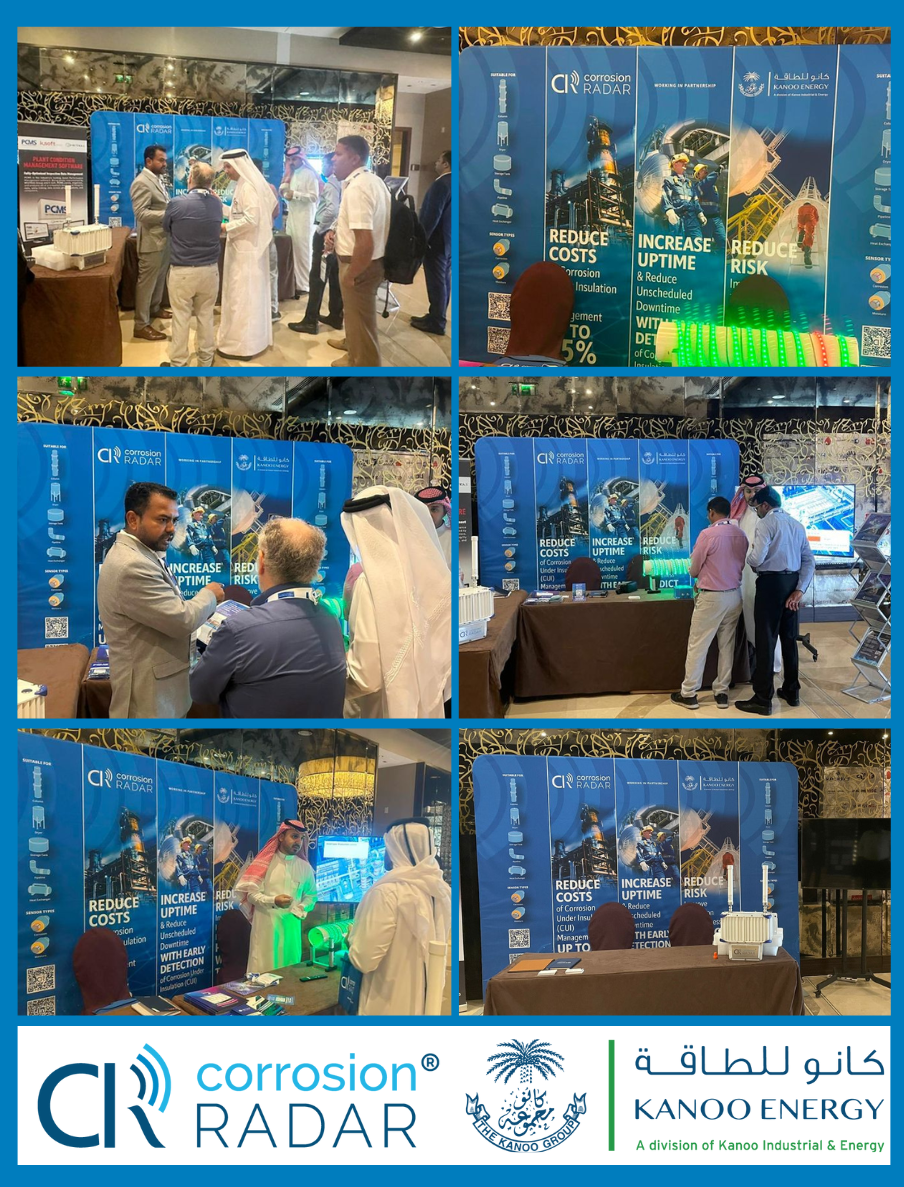
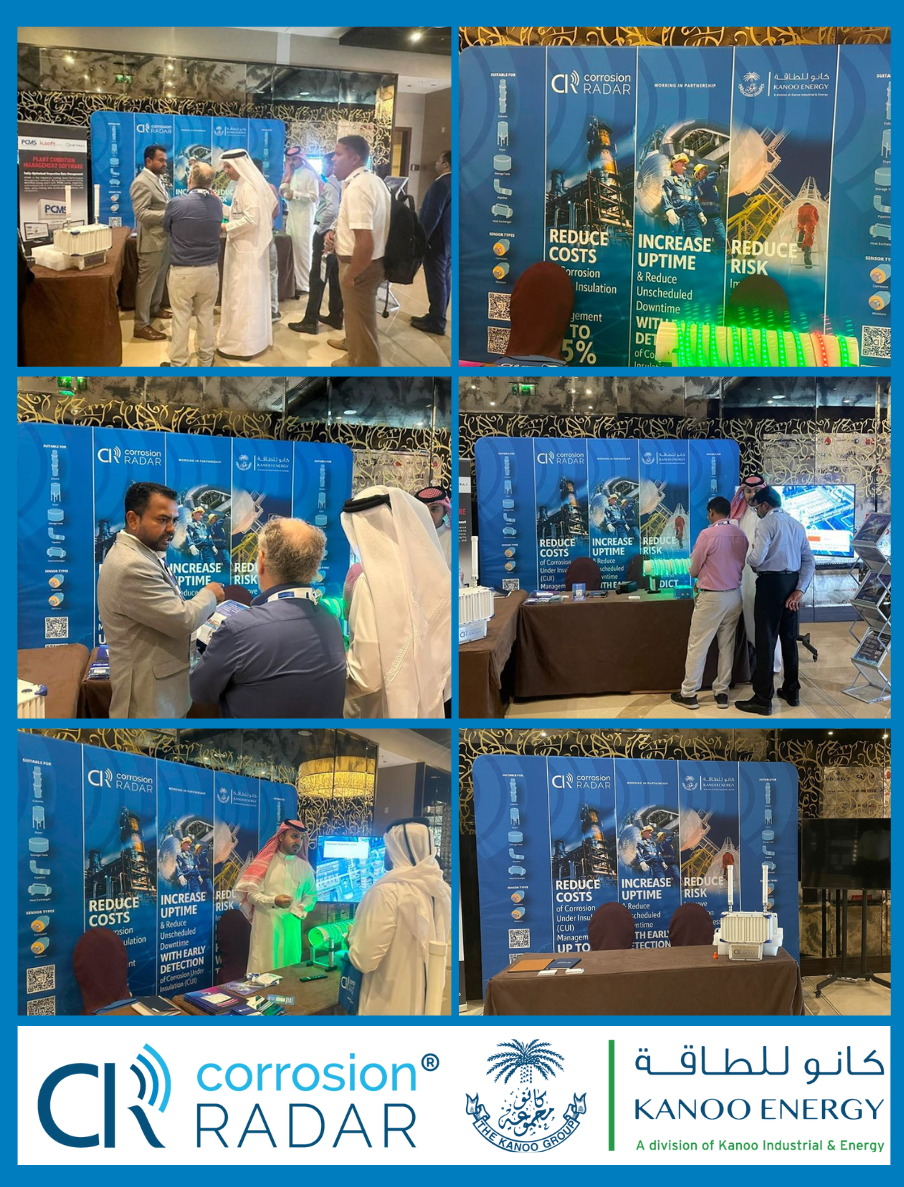
CorrosionRADAR’s CEO, Dr Chiraz Ennaceur, participated in the 2nd Asset Integrity Management Conference held in Qatar and shared her industry insights and future vision with the attendees. The event brought together industry professionals, technology companies, and service providers in the oil and gas, petrochemicals, chemicals, and academia sectors. The conference, which took place on 23rd – 24th May 2023 at the City Centre Rotana in Doha Qatar, showcased a wide array of innovative technologies and provided valuable insights into the latest trends in asset integrity management.
In this blog, we will explore the key observations and technological trends witnessed at this prestigious event.
Industry 4.0 Technologies for Predictive Maintenance:
The conference shed light on the implementation of Industry 4.0 technologies in predictive maintenance. By leveraging data analytics, machine learning, and artificial intelligence, asset integrity professionals can analyse vast amounts of sensor data to predict equipment failures and plan maintenance activities accordingly. These technologies enable proactive maintenance strategies, minimising unplanned downtime, optimising asset performance, and reducing operational costs.
Remote Monitoring of Corrosion:
Corrosion is a major challenge in the oil and gas industry, and remote monitoring solutions showcased at the conference provided an innovative approach to combat this issue. Remote monitoring technologies employ sensors, wireless connectivity and data analytics to continuously monitor and evaluate the corrosion levels in assets. For external hidden corrosion like Corrosion Under Insulation (CUI), there have been advancements in sensing and remote monitoring connected with analytics and Risk management dashboards. For internal corrosion, ultrasonic sensors for wall thickness monitoring have come a long way. This real-time data enables proactive decision-making, allowing asset managers to implement effective corrosion control strategies and optimise maintenance schedules.
Risk-Based Inspection Software:
To ensure efficient asset integrity management, risk-based inspection (RBI) software solutions were highlighted at the conference. These software tools incorporate industry guidelines like API 581 or DNV-RP-101 to assess the risk associated with equipment failures and prioritise inspections accordingly. The new trend in RBI software is to move away from on-premises towards cloud-based software with subscription business models creating win-win situations for service providers and end users.
Drones for Inspection:
Unmanned aerial vehicles, commonly known as drones, are rapidly transforming the inspection processes in the industry. Drones equipped with high-resolution cameras and thermal imaging capabilities were showcased at the conference. They enable asset integrity professionals to conduct remote inspections of challenging or hazardous locations, improving safety and efficiency. The integration of drones in asset inspections allows for more accurate data collection, enhanced visualisation, and faster decision-making.
Non-Destructive Testing (NDT):
Non-Destructive Testing emerged as a prominent theme at the conference. This technology offers advanced inspection techniques that enable asset integrity professionals to assess the condition of equipment without causing any damage. Attendees were introduced to cutting-edge NDT methodologies, such as ultrasonic testing, radiography, and magnetic particle inspection. These techniques enhance the reliability of inspections while minimising downtime and costs associated with traditional inspection methods.
Repair Technologies with Composite Wraps:
The conference witnessed the latest advancements in repair technologies using composite wraps. These wraps offer an effective solution for strengthening and repairing corroded or damaged equipment in the oil and gas industry. Composite wraps provide a cost-effective alternative to traditional repair methods, reducing the need for equipment replacement and extending asset life. The showcased technologies highlighted the durability and reliability of composite wraps for various applications.
Overall, the event provided a platform for professionals and technology providers in the oil and gas, vendors and academia sectors to showcase their latest innovations and share valuable insights. From non-destructive testing to remote monitoring of corrosion, risk-based inspection software to repair technologies with composite wraps, drones for inspection to Industry 4.0 technologies for predictive maintenance, the conference highlighted the transformative potential of these advancements in asset integrity management. As the industry continues to embrace technology-driven solutions, it is evident that these trends will play a crucial role in improving safety, reliability, and efficiency across the sector.
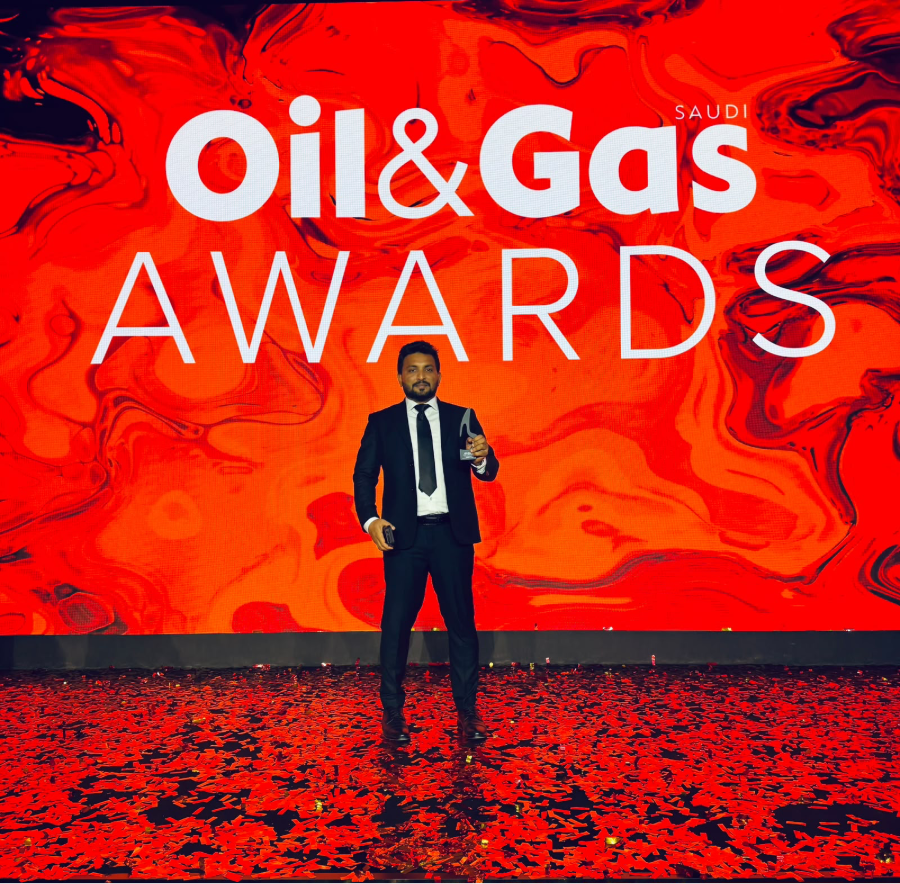
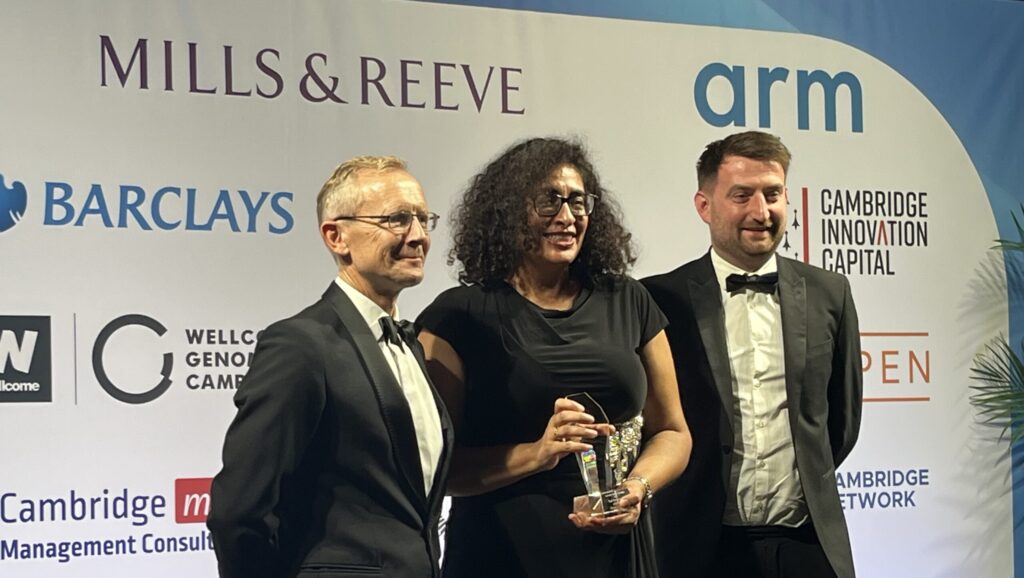
CorrosionRADAR, a provider of enterprise corrosion under insulation (CUI) monitoring solutions, has won highly commended for ‘Technology Innovation of the...
CorrosionRADAR’s data-led corrosion under insulation (CUI) monitoring solution has been selected to help protect critical insulated assets at Dow’s project in Fort...