Can CUI Management Support Sustainability Goals?
Thinking CUI has little impact on sustainability is like leaving a slow leak under your kitchen sink. Out of sight and easy to dismiss, until the cabinet begins to swell, the wood starts to rot, and you’re faced with costly repairs that could have been avoided.
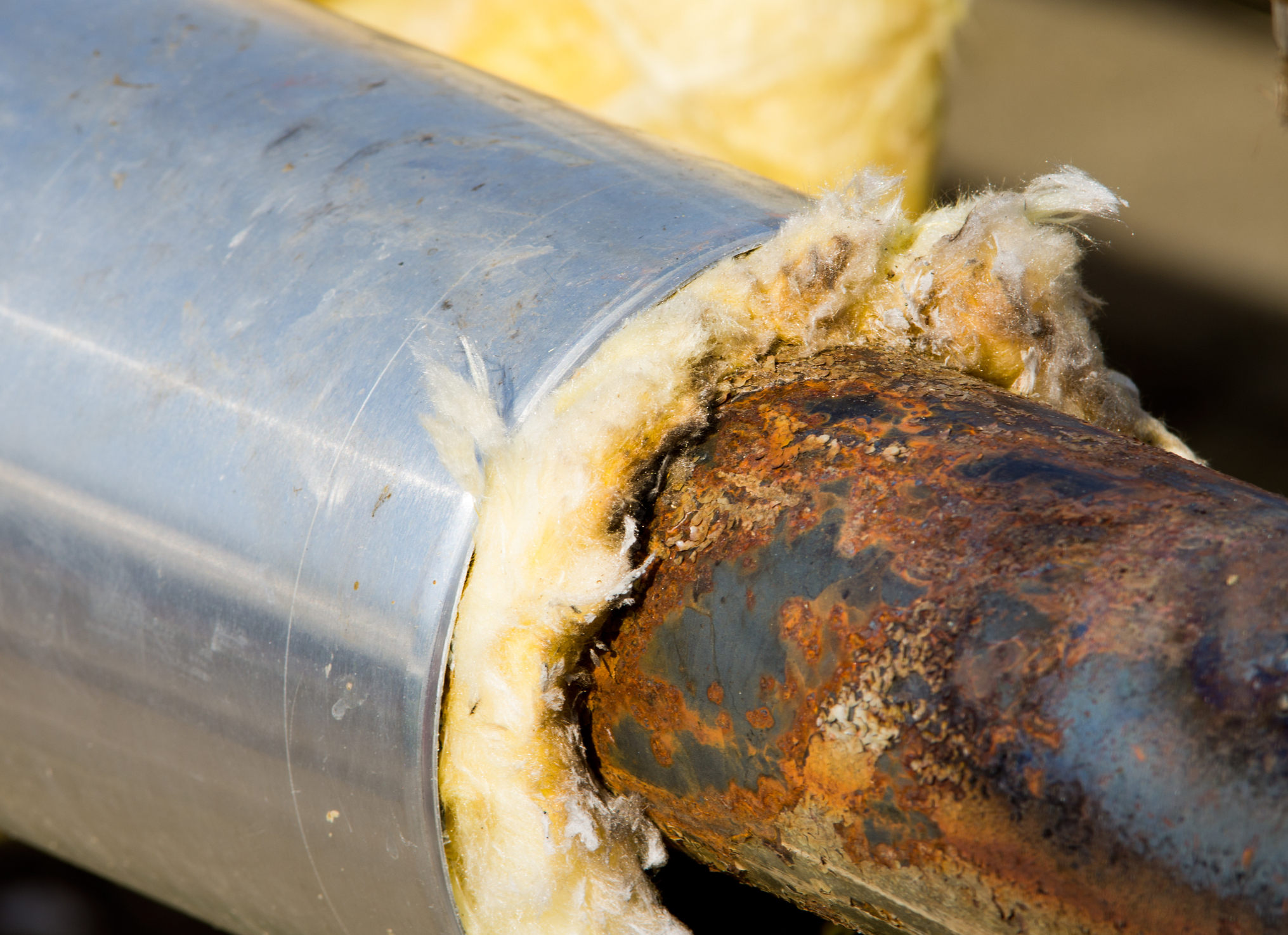
CUI develops gradually — often unnoticed — beneath insulation. But while it hides, it drives premature equipment failures, material waste, and unnecessary emissions.
Each time scaffolding is used to check an asset, or insulation is removed for inspections that yield no findings, sites drift further from their targets.
Now that sustainability targets are operational priorities, this matters. When CUI is left unmanaged, industrial assets become liabilities, increasing the risk of leaks, product loss, and environmental damage.
Methane emissions from corroded systems are particularly concerning, given their potency and the regulatory focus on this issue. Methane is more than 80 times more potent than CO₂ over a 20-year period, according to the Environmental Defence Fund. Even small leaks can offset broader decarbonisation efforts if left unchecked.
Predictive CUI strategies enable operators to intervene only where necessary, thereby reducing resource utilisation and enhancing asset longevity.
Predictive monitoring also improves insulation performance over time. By reducing unnecessary removal and reinstallation cycles, sites maintain thermal efficiency, lower energy losses, and decrease emissions linked to poor insulation integrity — all while supporting asset reliability.
By shifting from time-based inspections to condition-based insights, sites reduce unnecessary work, avoid premature replacements, and minimise the carbon footprint of maintenance.
Managing CUI effectively absolutely contributes to sustainability goals. In fact, it strengthens them — by aligning operational reliability with reduced emissions, lower waste, and longer asset life.