CUI Mythbuster: Monitoring Systems Can’t Handle the Extreme Environments in Gas Plants
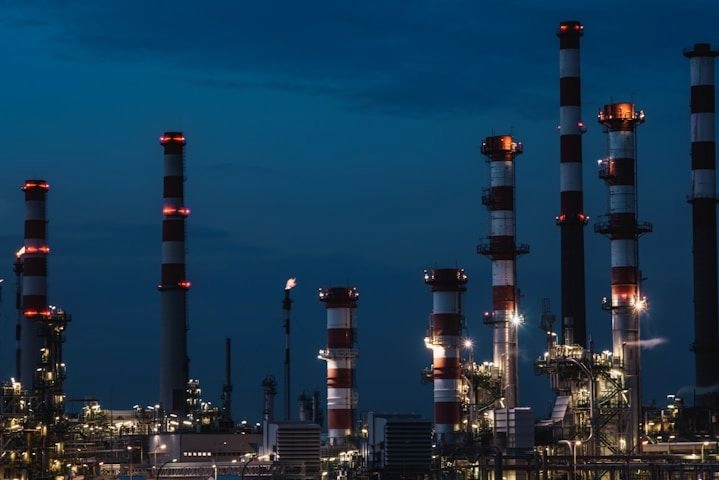
Across the gas sector, extreme conditions come as standard. Constant thermal cycling, pressure swings and operational stress put every asset at risk. For cyclic systems, the exposure is relentless.
From high heat and humidity to cold duty service lines, they aren’t just environmental challenges — they bolster Corrosion Under Insulation (CUI).
Did you know that CUI monitoring systems can operate within these extreme conditions?
1) The Issue of Extreme Temperatures
Gas facilities routinely deal with extreme thermal profiles — hot and cold service lines, as well as wide temperature differentials within individual assets.
Combine that with insulation systems, and you have the ideal conditions for moisture ingress. This creates a high-risk environment for CUI to develop, especially on carbon steel assets, which can occur out of sight and without warning.
2) The Difficulty of Traditional Inspection Methods
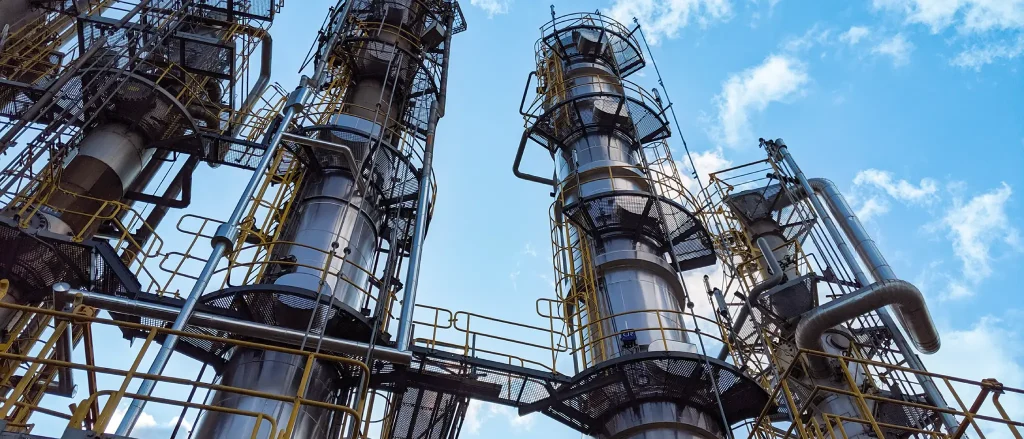
In gas operations, access for inspections is often restricted due to safety zones, insulation cladding design, or the scale of the infrastructure.
Visual checks require insulation removal, which is costly and labour-intensive. While insulation removal is necessary during initial sensor installation and CUI inspections, repeated visual checks across broad areas are inefficient.
Too often, effort is spent where there’s no damage, while actual corrosion remains missed and unmanaged. In many cases, resources are spent inspecting areas with no damage, while actual corrosion continues undetected elsewhere.
3) Why is the gas sector moving towards remote CUI monitoring?
CorrosionRADAR’s permanently installed sensors are engineered for deployment in these environments, rated for continuous operation from -190°C to +300°C, including under-insulation deployment, with components tested for durability in humid and saline environments.
The sensors sit beneath insulation to detect the presence of moisture and conditions conducive to early- corrosion under insulation.
For gas operators, this enables coverage of inaccessible or high-risk areas, provides actionable insights ahead of shutdowns, and avoids unnecessary insulation removal — all without disrupting operations.
CUI doesn’t wait for convenient inspection windows, and in the gas sector, the risks of inaction are too high. Extreme environments don’t make monitoring impossible. They make it essential.
By adopting predictive monitoring built specifically for gas-sector conditions, operators gain control over an issue that has long been hidden — but no longer needs to be.